
Postpartum Hair Loss Treatment in Kirkland, WA
What Is Postpartum Hair Loss?
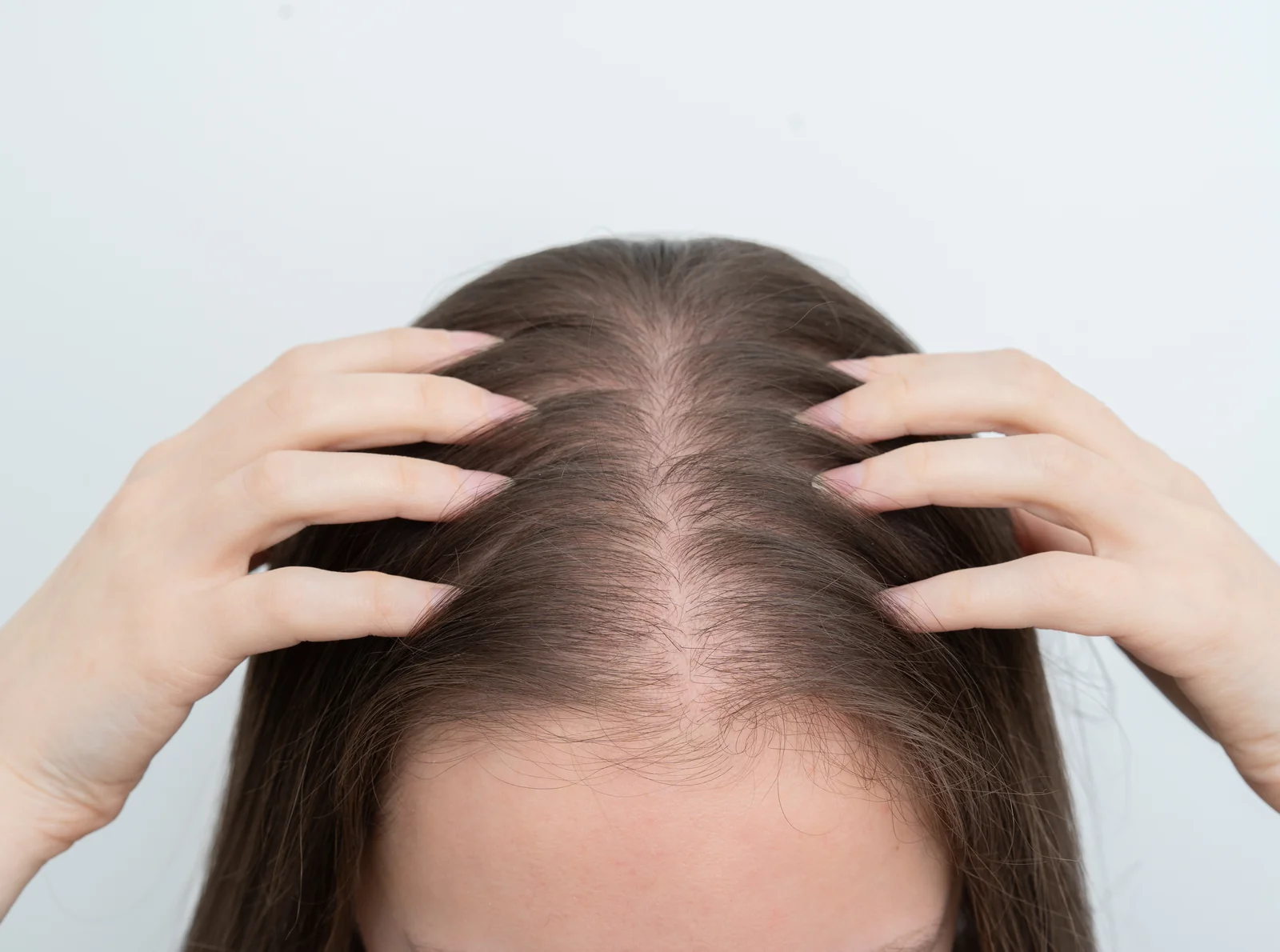
Postpartum hair loss is a temporary but often alarming form of shedding that affects a large majority of new mothers, typically beginning 2 to 4 months after giving birth. Medically referred to as postpartum telogen effluvium, it occurs when hormonal shifts after delivery push a significant number of hair follicles out of their active growth phase and into a resting phase simultaneously, resulting in shedding that can feel sudden and excessive.
For many women, it’s one of the more unexpected parts of the postpartum experience. You’ve just navigated pregnancy and delivery, you’re running on little sleep, and now your hair is coming out in handfuls every time you shower. In Kirkland, where new mothers tend to be back on the trail, back at the farmers market, back in the full rhythm of Eastside life faster than anyone expects, the gap between how capable you are and how you feel looking in the mirror can be especially hard to sit with. It can be genuinely distressing, and even knowing it’s common doesn’t always make it easier to watch. At Lake Washington Medical Aesthetics, we understand that postpartum hair loss treatment isn’t just a cosmetic concern. It’s about helping you feel like yourself again during one of the most demanding seasons of your life. Our team offers gentle, effective options to support recovery, accelerate regrowth, and restore your confidence alongside your health.
What Causes Postpartum Hair Loss?
The shedding that follows childbirth is driven primarily by hormonal shifts, though several factors influence how severe it becomes:

Estrogen Withdrawal
During pregnancy, elevated estrogen prolongs the active growth phase, leading many women to have thicker, fuller hair. After delivery, estrogen drops sharply, and all those follicles that were held in the growth phase simultaneously shift into shedding mode.
Nutritional Depletion
Pregnancy draws heavily on the body’s nutrient reserves. Iron, ferritin, zinc, biotin, and vitamin D are commonly depleted after delivery, all of which are critical to healthy follicular function.
Physical Stress of Childbirth
Labor and delivery represent significant physical trauma to the body, and physical stress is a well-established trigger for widespread follicle shedding.
Breastfeeding Hormones
Prolactin, the hormone that supports milk production, can prolong hormonal imbalance and contribute to continued shedding in breastfeeding mothers.
Sleep Deprivation and Emotional Stress
The demands of newborn care create sustained stress and sleep disruption, both of which can worsen and prolong the shedding cycle.
Thyroid Changes
Postpartum thyroiditis, a temporary inflammation of the thyroid that can follow delivery, is an underrecognized contributor to hair loss in new mothers and should be ruled out early.
Postpartum Hair Loss: Symptoms and Signs
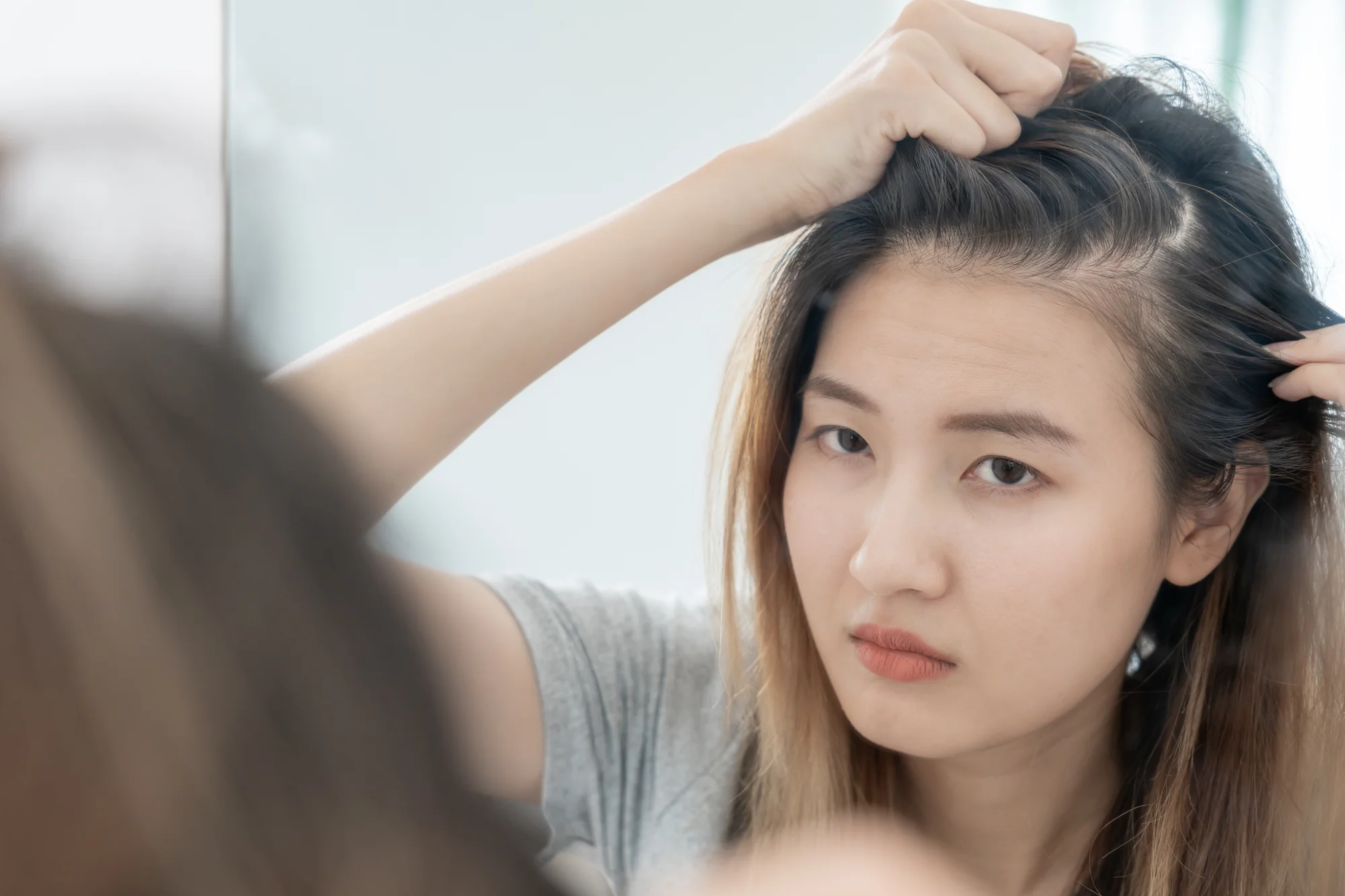
Postpartum shedding is usually hard to miss. Common signs include:
- Noticeably increased hair on pillows, in the shower drain, or on a hairbrush
- A part line that appears wider than before pregnancy
- Reduced overall density or a flatter, thinner appearance to the hair
- Shorter regrowth strands appearing along the hairline, sometimes called "baby hairs."
- Thinning most pronounced at the temples, crown, or hairline
- Hair that feels finer, weaker, or more prone to breakage than it used to
Most cases begin to resolve on their own within 6 to 12 months as hormone levels stabilize.
Professional Postpartum Hair Loss Treatment
At Lake Washington Medical Aesthetics, we approach postpartum recovery with the sensitivity and clinical care it deserves. Our treatment plans for new mothers are built around what’s actually safe and appropriate for this season of life, with honest guidance, realistic timelines, and a genuine understanding of what you’re going through. From scalp therapy for new mothers to nutritional support and advanced follicular treatments, we offer a comprehensive range of options designed to work together for the best possible outcome.
Our professional treatment options include:
De|Rive Hair Restoration is an advanced follicular treatment system that works at the scalp level to reactivate dormant follicles, extend the active growth phase, and create a healthier environment for sustained regrowth. It uses targeted, precision-delivered active compounds to the scalp, addressing postpartum shedding at its root and supporting the recovery of density over time.
Nutritional Support, addressing the nutrient deficiencies that follow pregnancy, is a foundational part of hair recovery. Supplements for postpartum hair recovery, including targeted iron, ferritin, zinc, biotin, and vitamin D support, replenish what pregnancy and delivery have depleted and give your follicles the building blocks they need to re-enter the active growth phase. Your provider will assess your nutritional status and recommend a specific supplement protocol based on your individual gaps.
Topical Minoxidil (Off-Label) applied directly to the scalp stimulates blood flow to the follicle, extends the active growth phase, and supports the regrowth of thinning hair. While its use in postpartum patients is off-label, it is a well-established option for accelerating hair regrowth treatment after pregnancy under appropriate medical supervision, particularly for women who are no longer breastfeeding.
PRP Scalp Therapy, PRP therapy for postpartum hair loss involves drawing a small amount of your blood, concentrating the growth factors via centrifugation, and injecting the platelet-rich plasma directly into areas of scalp thinning. These growth factors stimulate follicular activity, improve scalp health, and accelerate natural regrowth, making it one of the most effective biology-driven options available to women in the postpartum period.
Your provider will assess your current shedding stage, scalp health, nutritional status, and whether you are currently breastfeeding to recommend the safest and most effective combination of treatments for your situation.
What to Expect During Your Postpartum Hair Loss Treatment
Consultation:
Your provider reviews your postpartum timeline, shedding pattern, nutritional history, and overall health to build a treatment plan appropriate for where you are in your recovery.
Treatment:
Depending on the approach selected, sessions range from scalp treatments and injections to at-home regimens with in-clinic check-ins. Your provider will walk you through exactly what each step involves.
Post-Treatment:
De|Rive and PRP involve minimal downtime. Mild scalp sensitivity is normal after PRP injections and resolves quickly. Nutritional protocols and topical treatments are incorporated into your daily routine with minimal disruption.
Results:
Most patients notice a reduction in shedding within the first few weeks of treatment. Visible improvements in density and regrowth typically develop over 3 to 6 months, with continued progress beyond that with consistent care.
Postpartum Hair Loss Treatment Recovery & Aftercare
Aftercare is straightforward and designed to fit into the reality of life with a newborn. Avoid washing the scalp for 24 hours after De|Rive or PRP sessions. Follow your provider’s guidance on supplement timing and topical application. Protect the scalp from excessive sun exposure and use gentle, sulfate-free haircare products that support rather than stress the follicular environment. Your provider will schedule follow-up appointments to monitor your progress and adjust the plan as your hormone levels continue to stabilize.
Who Is a Good Candidate For Postpartum Hair Loss Treatment?
You may be a good candidate for postpartum hair loss treatment if you:
Treatment options are tailored based on whether you are currently breastfeeding, as this affects which approaches are most appropriate.
Frequently Asked Questions
Is postpartum hair loss normal, and will it stop on its own?
Yes, it’s very common and typically resolves within 6 to 12 months as hormones stabilize. However, treatment can meaningfully shorten the shedding period and support faster, fuller regrowth, especially when nutritional deficiencies are involved.
Is PRP safe while breastfeeding?
PRP uses your own blood-derived growth factors and is generally considered safe, but we always assess this on a case-by-case basis. Your provider will discuss the most appropriate options based on your breastfeeding status during your consultation.
Can I use minoxidil while breastfeeding?
Topical minoxidil is not recommended while breastfeeding. Your provider will guide you toward the safest alternatives and revisit minoxidil as an option once you’ve finished nursing.
How soon after delivery can I start treatment?
Most treatments can be started within a few months postpartum once the initial hormonal shift has occurred. Your provider will assess your timeline and recommend the right starting point for your stage of recovery.
How long until I see meaningful regrowth?
Most patients notice reduced shedding within the first few weeks. Visible density improvements typically take 3 to 6 months, and full recovery may take up to a year, depending on the severity of the loss and the consistency of treatment.
Do I need all of the treatments listed, or just one?
Not necessarily. Some patients respond well to nutritional support and De|Rive alone, while others benefit from a more layered approach. Your provider will build a plan tailored to your specific situation—not a one-size-fits-all protocol.
You Deserve to Feel Like Yourself Again
Postpartum recovery is already a lot. Losing your hair on top of everything else shouldn’t be something you push through alone. At Lake Washington Medical Aesthetics, we’re here to support your recovery with care that’s as thorough as it is compassionate.
Schedule your consultation today and take the first step toward healthier hair and a little more of yourself back. Call 425-202-6205 or book online.

Start Your Aesthetic JOURNEY TODAY
Book Your Appointment Online
You’ve done the research, now let’s build a plan that’s actually built around you. Whether you’re coming in for the first time or ready to take the next step in your skin journey, our team is here to make the process easy and the experience worth your time.