
Melasma Treatment in Kirkland, WA

What Is Melasma?
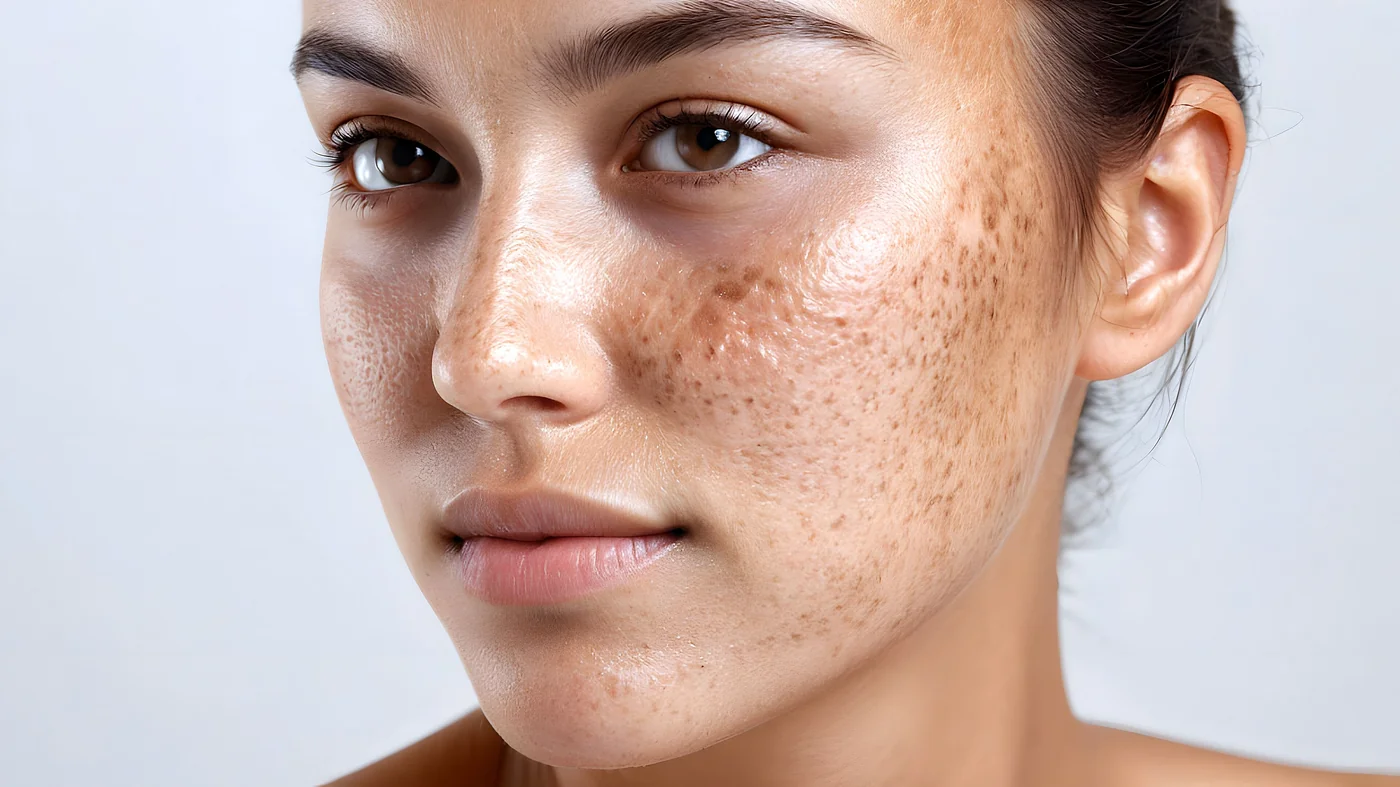
Melasma is a common skin condition characterized by patches of brown, gray-brown, or blue-gray discoloration that develop on the face, most often across the cheeks, forehead, upper lip, nose, and chin. The patches are flat, irregularly shaped, and typically symmetrically distributed on both sides of the face. While it can affect anyone, it’s significantly more common in women and those with medium to darker skin tones. In Kirkland, melasma tends to persist. The UV that reflects off Lake Washington is present even on overcast days, and the compressed intensity of a Pacific Northwest summer means months of cumulative exposure that arrives fast and fades slowly in the skin.
What makes melasma particularly challenging to live with is how visible it tends to be, and how resistant it can be to the usual skincare fixes. Foundation covers it temporarily, but it keeps coming back, often darkening with sun exposure or hormonal changes. At Lake Washington Medical Aesthetics, we understand how deeply this kind of persistent discoloration can affect your confidence. Our approach to melasma treatment is thorough, evidence-based, and realistic, focused on meaningful, lasting improvement rather than quick fixes that don’t hold.
What Causes Melasma?
Melasma develops when melanocytes, the pigment-producing cells in the skin, become overactive and produce excess melanin in localized areas. Several triggers are known to initiate or worsen this process:

Sun Exposure
UV radiation is the single most significant trigger. Even brief, unprotected exposure can stimulate melanocyte activity and deepen existing patches significantly.
Hormonal Changes
Estrogen and progesterone are closely tied to melanocyte stimulation. Pregnancy, oral contraceptives, and hormone replacement therapy are all common triggers, earning melasma the nickname “the mask of pregnancy.”
Genetics
A family history of melasma substantially increases your likelihood of developing it, particularly if you have a naturally deeper skin tone.
Skin Inflammation
Any form of skin irritation or inflammation, including harsh skincare products, procedures, or reactions, can trigger post-inflammatory pigmentation that overlaps with or worsens melasma.
Thyroid Dysfunction
An underactive thyroid has been associated with the development of melasma in some patients, though the exact mechanism remains unclear.
Heat Exposure
Infrared heat, independent of UV light, has been shown to stimulate melanin production, which is why melasma can worsen even with consistent sun protection alone.
Certain Medications
Some medications, including certain antiepileptics and photosensitizing drugs, can increase the skin’s susceptibility to pigmentation changes.
Melasma: Symptoms and Signs
Melasma presents in a fairly recognizable pattern, though severity varies considerably between individuals. Common signs include:
- Flat, irregular patches of brown or gray-brown discoloration across the face
- Symmetrical distribution, patches that mirror each other on both sides of the face
- Darkening that worsens with sun exposure, heat, or hormonal shifts.
- Discoloration concentrated on the cheeks, forehead, upper lip, nose bridge, or chin
- Patches that persist year-round, though they may lighten slightly in the winter months
- Skin that otherwise feels normal, melasma is purely a pigmentation concern with no texture change or pain
If you’ve been dealing with stubborn facial discoloration that keeps returning despite your skincare efforts, a pigmentation consultation is a worthwhile next step.
Professional Melasma Treatment
At Lake Washington Medical Aesthetics, we approach pigmentation correction with both clinical precision and patience, because melasma is one of those conditions that responds best to a layered, consistent strategy rather than a single aggressive intervention. As an established pigmentation correction specialist clinic, we use a combination of clinically proven topical agents tailored to your skin tone, sensitivity, and the depth of your discoloration. Every plan is built specifically for your skin, not a generic brightening protocol.
Our professional treatment options include:
Tranexamic Acid, a standout ingredient in advanced melasma therapy that works by interrupting the communication pathway between keratinocytes and melanocytes, reducing the signal that triggers excess pigment production. Available in both topical and oral forms, tranexamic acid is particularly effective for stubborn, treatment-resistant melasma and is well-tolerated across a broad range of skin tones.
Hydroquinone is the most widely studied and clinically recognized skin-lightening agent available. Hydroquinone works by inhibiting tyrosinase, the enzyme responsible for melanin synthesis, to progressively reduce the appearance of hyperpigmented patches. It is used in controlled concentrations as part of a supervised treatment plan to ensure both efficacy and safety.
Kojic Acid is a naturally derived tyrosinase inhibitor that offers a gentler alternative or complement to hydroquinone. Kojic acid is particularly useful for patients with sensitive skin or those who need to rotate active ingredients to avoid irritation during longer treatment courses.
Azelaic Acid, a multitasking ingredient that targets abnormal melanocytes selectively while leaving healthy surrounding skin cells unaffected. Azelaic acid also carries anti-inflammatory properties, making it an excellent option for patients whose melasma is complicated by sensitivity or redness.
Topical Retinoids, vitamin A derivatives that accelerate cellular turnover, help push pigmented cells to the surface and shed them more rapidly. Retinoids also enhance the penetration and efficacy of other brightening agents used alongside them, making them a valuable part of a comprehensive pigmentation protocol.
Triple Combination Cream is a clinically formulated blend of hydroquinone, a topical retinoid, and a mild corticosteroid, all in a single preparation. This is one of the most effective topical approaches available for moderate to severe melasma, addressing pigment production, cell turnover, and inflammation simultaneously for faster, more consistent results.
Your provider will assess your skin tone, melasma depth, and sensitivity to determine the right combination and sequence of treatments, adjusting the protocol over time based on how your skin responds.
What to Expect During Your Melasma Treatment
Consultation:
Your provider evaluates your pigmentation pattern, skin tone, and history to determine the most appropriate treatment combination and set realistic timelines for improvement.
Treatment:
Most protocols involve a combination of in-clinic guidance and a supervised at-home regimen using the prescribed topical agents. Your provider will walk you through exactly how and when to apply each product.
Post-Treatment:
Some mild sensitivity, dryness, or initial skin adjustment is normal when starting active ingredients, particularly retinoids. This typically settles within the first few weeks.
Results:
Visible improvement in pigmentation usually appears within 4 to 8 weeks of consistent use. Deeper or more established discoloration may take longer to respond and requires patience with the process.
Melasma Treatment Recovery & Aftercare
Daily broad-spectrum SPF 50 is non-negotiable throughout your treatment, and beyond it. Sun protection is the single most important factor in both the success of your treatment and the prevention of recurrence. Avoid prolonged heat exposure, use gentle non-irritating skincare products alongside your prescribed actives, and follow your provider’s instructions carefully regarding application frequency and layering. Your provider will schedule follow-up appointments to monitor your progress and adjust the protocol as needed.
Who is a Good Candidate For Melasma Treatment?
You may be a good candidate for melasma treatment if you:
Your provider will be upfront about what’s achievable for your specific skin and what ongoing maintenance will look like after your initial treatment course.
Frequently Asked Questions
Is melasma curable?
Melasma can be significantly improved and well managed, but it tends to recur, especially with sun exposure or hormonal triggers. Consistent maintenance and sun protection are key to keeping it under control in the long term.
Can melasma be treated with a chemical peel?
A chemical peel for melasma can be effective in certain cases, particularly for epidermal pigmentation. However, it’s not always the first-line approach and needs to be carefully selected based on your skin tone to avoid worsening pigmentation.
What about laser treatment for melasma? Is that an option?
Laser treatment for melasma requires careful consideration. Some laser modalities can improve pigmentation, but others can worsen melasma, particularly in darker skin tones. We evaluate it on a case-by-case basis and only recommend it when the evidence supports it for your specific presentation.
How long does treatment take before I see results?
Most patients notice meaningful improvement within 4 to 8 weeks of consistent treatment. Deeper discoloration may take 3 to 6 months to fully develop.
Will my melasma come back after treatment?
It can, particularly with unprotected sun exposure or hormonal changes. That’s why ongoing maintenance and daily SPF are emphasized throughout and after your treatment plan.
Do I need a prescription for these treatments?
Some of the agents we use, including hydroquinone at higher concentrations and topical retinoids, are prescription-strength and provided under medical supervision.
Clearer Skin Is Possible, With the Right Plan
Melasma is persistent, but it’s not unbeatable. At Lake Washington Medical Aesthetics, we’ll help you understand exactly what’s driving your pigmentation and build a targeted plan to address it, with the clinical oversight and consistency that actually produces results.
Schedule your pigmentation consultation today and take the first step toward more even, confident skin. Call 425-202-6205 or book online.


Start Your Aesthetic JOURNEY TODAY
Book Your Appointment Online
You’ve done the research, now let’s build a plan that’s actually built around you. Whether you’re coming in for the first time or ready to take the next step in your skin journey, our team is here to make the process easy and the experience worth your time.